
Block explorers: what a transaction record can prove

Share this article
Select & copy this link with your device’s copy command.
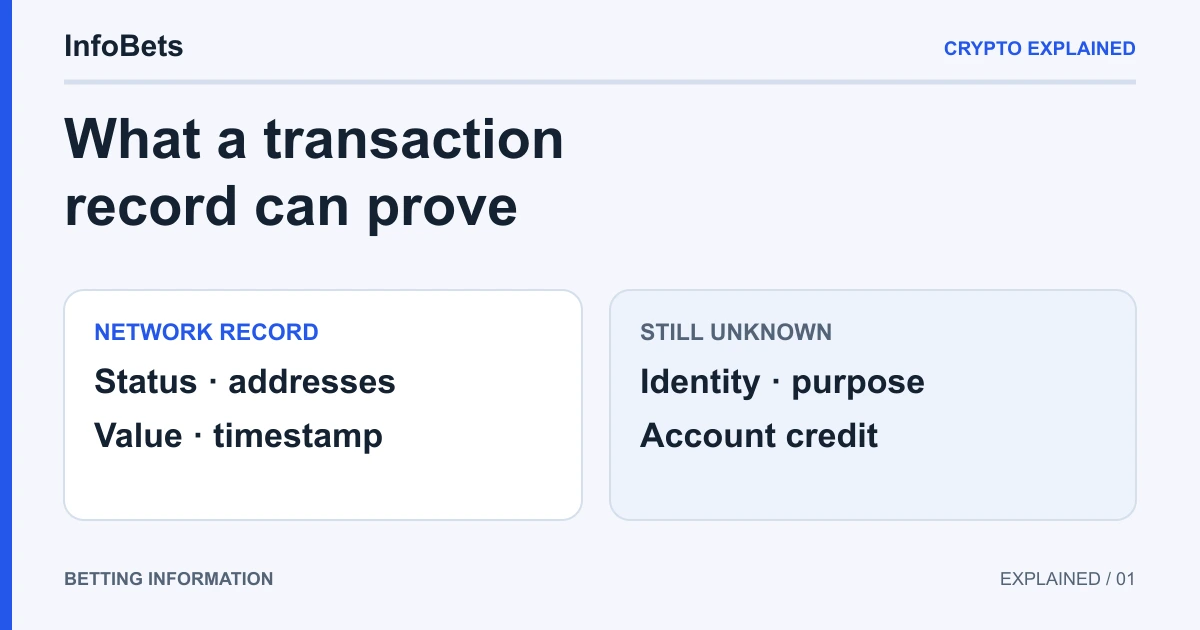
A block explorer makes blockchain records readable. It can show that a transaction was included on a particular network. It cannot, by itself, prove who owns a receiving address or whether a website has updated its customer account.
That distinction matters when reading crypto-related claims. A transaction screenshot is evidence about one record, rather than a complete account of what happened.
What the main fields mean
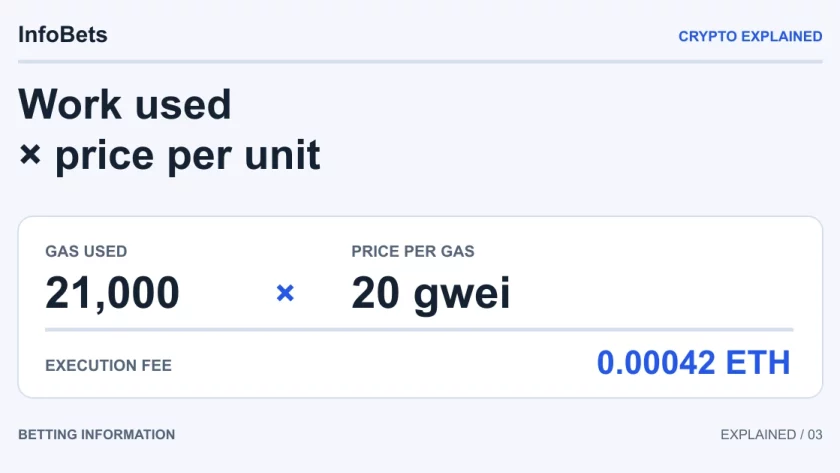
Using Ethereum as an example, an explorer can display the transaction hash, status, block, timestamp, sending address, destination, value & fees. The destination may be another account or a smart contract. These fields are described in Ethereum’s explorer documentation.
- Transaction hash: the identifier for that transaction. It is different from an account address.
- Status: whether the explorer reports the transaction as pending, successful or failed.
- Block: where an included transaction appears in the chain.
- From & to: the addresses involved. An address is not automatically a verified business name.
Successful at what?
Ethereum transactions are instructions that update the network’s state. A transaction can transfer ETH or interact with a contract. Reading “Success” therefore requires understanding which instruction ran. See Ethereum’s transaction guide.
Consider a fictional record: a successful transfer of 0.02 ETH from Address A to Address B. The record supports the claim that this transfer happened on that network. It does not tell us whether Address B belongs to the company named in an email, whether that company has credited a customer, or whether it can meet future obligations.
Those are separate questions requiring separate evidence. Adding a familiar logo to the screenshot would not answer them.
Read the record in context
Keep the network, transaction identifier, asset & timestamp together. A screenshot that hides these details is harder to interpret. Token movements can also appear separately from the transaction’s ETH value, so a value of zero ETH does not necessarily mean nothing else happened.
For example, a contract interaction might have no ETH value while its record includes a token transfer. The token label, amount & contract are relevant to that movement. Do not treat every number on the page as the same kind of value.
Three questions the explorer cannot settle alone
- Identity: what independently connects the address to the claimed person or business?
- Purpose: what agreement explains the transaction?
- Account credit: what does the service’s own account history record?
An explorer helps establish technical facts. The useful habit is to state exactly which fact it establishes, then identify what remains unknown.
Sources checked 14 September 2026. The transfer example is fictional. Information only. 18+.
Discussion
Ask a question, add useful context or share a source. Keep it relevant & respectful.
Comments are reviewed before publication.