
The Ultimate Guide to Padel Betting
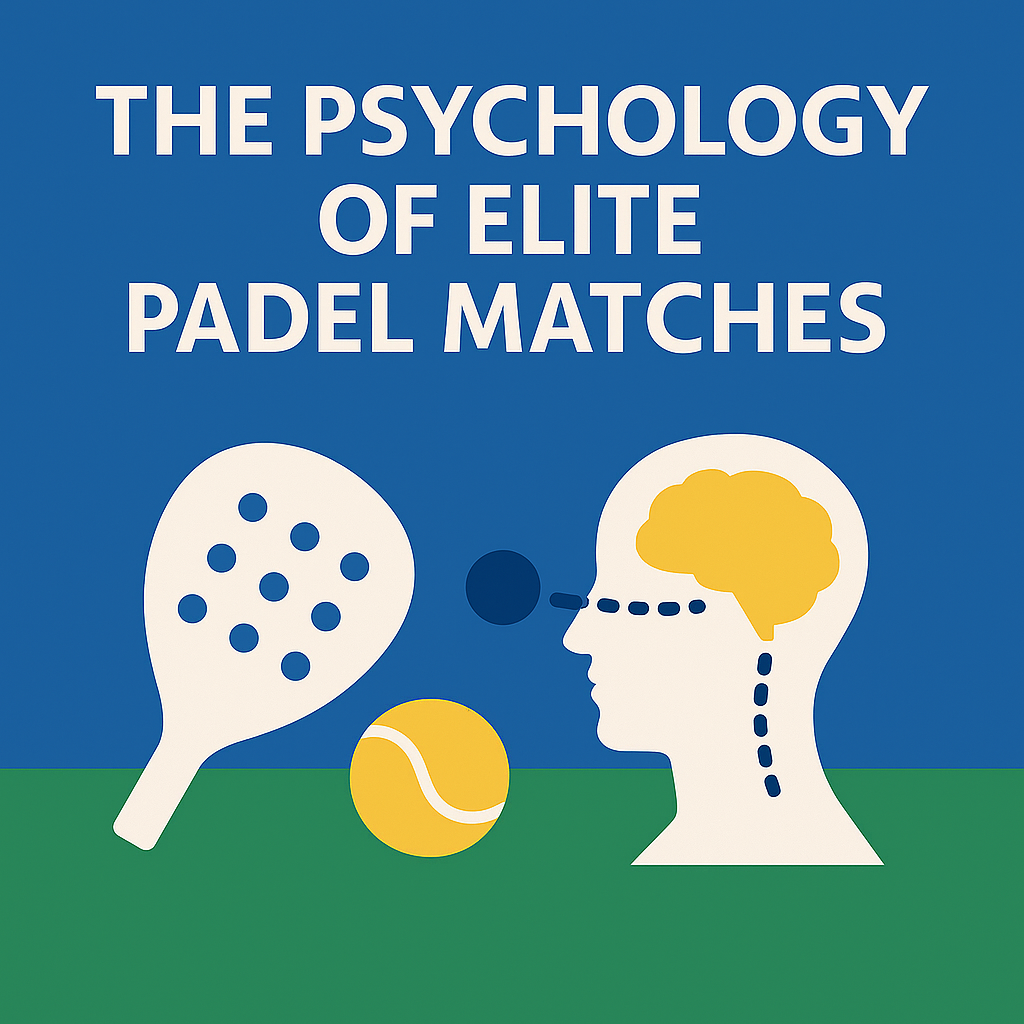
Padel is not only a technical & tactical sport — it is a psychological battlefield. At the top level, players with similar skills are separated by their ability to manage pressure, momentum, emotions & communication under extreme intensity.
This guide breaks down the psychological pillars that drive elite performance & match outcomes in modern padel.
🧠 Why Psychology Matters More in Padel Than Tennis
Padel is a doubles sport, meaning:
✔ Four emotional systems interact
✔ Two players must stay mentally aligned
✔ Micro-errors affect both partners
✔ Communication becomes a skill, not a bonus
A mentally unstable pair — even two great players — can lose to a stable but less-skilled duo.
1. Pressure Management (Star Points & Crucial Moments)
Star Points expose psychological strength.
Teams with strong pressure profiles:
✔ slow down their breathing
✔ commit to a clear planned play
✔ trust their partner fully
Teams who struggle:
❌ rush decisions
❌ hesitate on overheads
❌ miscommunicate at the net
Elite Traits:
- Calm emotional baseline
- Automatic routines between points
- No visible panic after errors
2. Confidence Cycles (How Momentum Affects the Mind)
Momentum changes create emotional cycles:
🔼 Positive cycle:
- Higher energy
- Sharper footwork
- More aggressive net positioning
🔽 Negative cycle:
- Complaints
- Passive shot selection
- Reduced reaction speed
Elite teams recognise these cycles early & intervene.
3. Attentional Focus (Where the Mind Looks During Play)
Elite players maintain narrow, actionable focus.
They pay attention to:
✔ opponent positioning
✔ spacing between players
✔ lobs trajectory
✔ centre-court control
Non-elite players focus on:
❌ fear of losing
❌ previous mistakes
❌ crowd noise
Attention decides shot quality.
4. Emotional Connection Between Partners
Doubles psychology = two minds operating as one system.
Elite teams demonstrate:
✔ constant verbal cues
✔ synchronised movements
✔ no blame culture
✔ fast emotional recovery
Weak teams:
❌ argue after mistakes
❌ disconnect during tough moments
❌ freeze under pressure
Chemistry often wins tight matches.
5. Stress Responses Under Momentum Swings
When momentum shifts, even favourite teams can collapse.
Signs of psychological stress:
❌ rushed smashes
❌ flat-footed reactions
❌ hesitation on lobs
❌ unnecessary risk shots
Elite teams stabilise themselves with rituals:
✔ towel routine
✔ three deep breaths
✔ verbal reset (“we go again”)
6. The Role of Identity & Playing Style
Each player identifies as:
• attacker
• defender
• strategist
• finisher
Psychological harmony requires both partners to:
✔ understand their identity
✔ avoid role conflict
✔ trust the other’s strengths
When roles blur → decision chaos happens.
7. Reading Opponent Psychology (Massive Advantage)
Elite teams scan opponents for:
✔ emotional leaks
✔ frustration reactions
✔ communication breakdowns
✔ predictable behaviours under stress
Once detected, they attack the weakness.
Example:
If a player avoids hitting overheads under pressure → use high, deep lobs.
8. Psychological Momentum Triggers
Momentum can be intentionally created.
Triggers include:
✔ winning long rallies
✔ loud celebration after Star Points
✔ energising the crowd
✔ targeted pressure on weaker opponent
Elite teams use psychology proactively, not reactively.
9. Mental Endurance (Third-Set Champions)
Champions remain emotionally stable when fatigue rises.
They maintain:
✔ consistent communication
✔ disciplined shot selection
✔ structured decision-making
Many upsets occur in third sets because the favourite’s mental endurance collapses.
10. Pre-Match Psychological Preparation
Elite players use routines such as:
✔ visualisation
✔ breathing exercises
✔ coordinated warm‑up with partner
✔ strategy review (roles, plays, patterns)
This ensures emotional synchronisation from point 1.
Quick Psychology Checklist (For Analysts & Coaches)
✔ How do they behave after losing big points?
✔ Do they argue or self-correct?
✔ Who controls emotional tone of the pair?
✔ Do they panic when defending the glass?
✔ Is their communication sharp or silent?
These cues predict performance as strongly as technical ability.
Summary
Psychology is the invisible engine of elite padel.
Matches are decided by:
- pressure management
- confidence cycles
- partner connection
- mental endurance
- stress behaviour
Understanding psychology provides a massive analytical advantage for players, coaches & bettors.