
The Ultimate Guide to Padel Betting
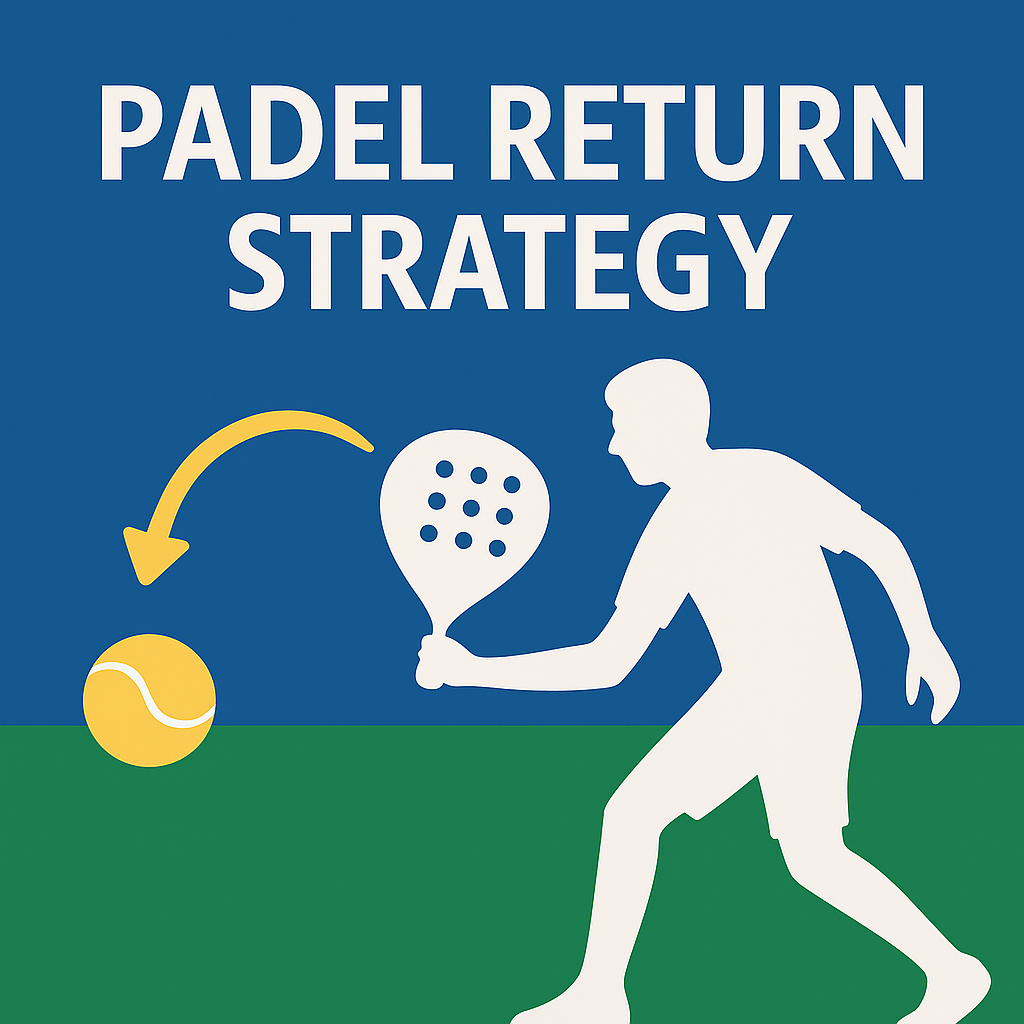
The return of serve is one of the most important skills in padel — & one of the most misunderstood by beginners. Unlike tennis, where powerful serves dominate, padel serves are slower & more tactical, meaning the return often decides who controls the net.
This guide explains the fundamentals of returning in padel, beginner-friendly techniques, common mistakes to avoid & how good returns shape match momentum.
Why the Return of Serve Matters
The team that wins the net usually wins the point.
A strong return helps you:
- Neutralise the serve
- Prevent the opponents from taking easy net control
- Set up your own transition to the net
- Increase pressure early in rallies
Beginners who learn proper return strategy improve instantly.
The 3 Goals of a Good Return
Every return should aim to achieve one of these:
1. Keep the ball low
Low balls make volleying difficult & force opponents into mistakes.
2. Push opponents back
A deep return stops the server from rushing the net.
3. Regain the net
After a successful return, move forward strategically.
If your return achieves any of these, it’s a win.
Basic Return Technique (Beginner-Friendly)
1. Stay relaxed & read the serve
Most padel serves are:
- Medium speed
- Slice or flat
- Directed toward the glass or side wall
2. Move early
Start your split step as the server hits the ball.
3. Use compact swings
Avoid big tennis-like backswings.
4. Aim cross-court
It’s:
- Safer
- Higher margin
- Easier to defend
- Gives more time
5. Focus on control, not power
Precision beats aggression in returns.
Beginner Return Options
These are the safest & most effective returns for new players.
1. Deep Cross-Court Drive
The most reliable return.
- Keeps opponents from taking the net
- Creates time to move forward
2. Soft, Low Return to the Feet
Forces a difficult volley.
- High-percentage shot
- Ideal when the serve is slow
3. Defensive Wall Return (Rebote)
Used when serve hits glass first.
- Let the ball bounce off the wall
- Hit a controlled reply cross-court
4. High Lob Return
Great when server rushes the net too fast.
- Pushes them back immediately
- Turns defense into offense
When to Use the Chiquita as a Return
The chiquita is a soft, low drop shot used to target the net player’s feet.
Best used when:
- The serve is slow or short
- Opponents don’t expect it
- You need to break their attack rhythm
Beginners should use it sparingly — but it’s an elite weapon.
Common Return Mistakes (Avoid These!)
Beginners often make predictable errors:
❌ 1. Swinging too hard
Leads to unforced errors & losing control.
❌ 2. Trying to hit winners
Returns should be smart, not spectacular.
❌ 3. Always aiming down the line
This is:
- Risky
- Low-margin
- Easily intercepted
❌ 4. Standing too close to the glass
Causes rushed reactions.
❌ 5. Not adjusting to spin
Slice serves require angled racket faces.
How to Handle Different Serve Types
1. Slice Serve
Moves away from you after the bounce.
- Open racket slightly
- Aim cross-court
2. Flat Serve
Faster but predictable.
- Block & guide the ball
3. Slow/Soft Serve
Often a trap.
- Play a chiquita or deep return
- Then move forward
4. Body Serve
Targeting your chest or hip.
- Step back
- Create space
- Redirect cross-court
How to Regain the Net After Returning
Returning is only half the job — the follow-up movement completes it.
The correct sequence:
- Return cross-court or low
- Wait for opponents’ volley quality
- Move forward as soon as you force a weak ball
- Take net control together with your partner
Good movement = point dominance.
Return Strategy Indoors vs Outdoors
Indoors:
- Faster pace
- Harder returns
- Avoid high lobs
- Focus on deep, low drives
Outdoors:
- Wind affects bounce
- Lob returns become powerful weapons
- Slice serves kick unpredictably
Adapt based on conditions.
How Return Quality Influences Betting
Return performance is a hidden indicator of:
- Match control
- Pressure resilience
- Set momentum
Strong return teams:
- Create more break points
- Win more Star Points on return
- Dominate positionally
This directly influences:
- Over/Under totals
- Handicap lines
- Live odds
- Underdog upset potential
Summary
For beginners, a strong padel return strategy focuses on:
- Consistency
- Low balls
- Deep cross-court placement
- Smart lobs
- Reading serve patterns
Returns dictate who wins the net — & therefore who wins the point.