
The Ultimate Guide to Padel Betting
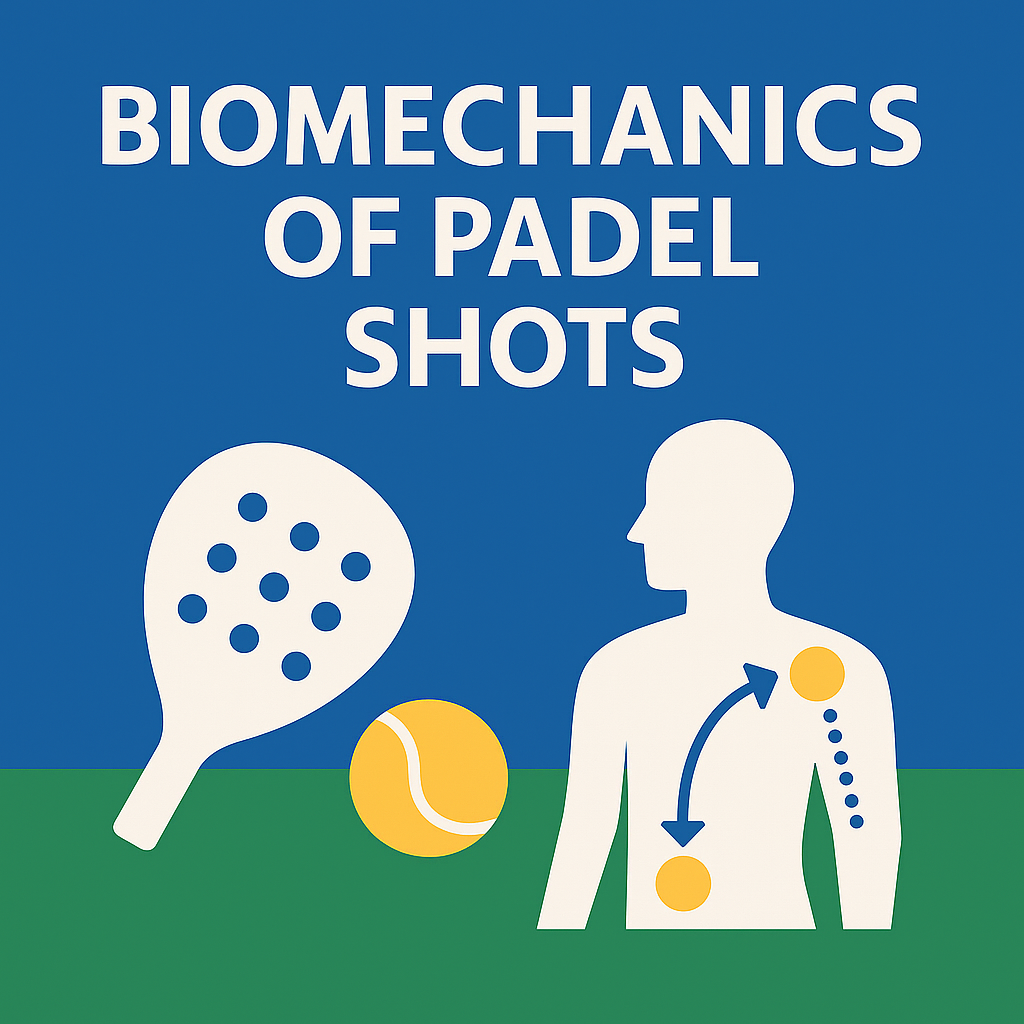
Elite padel players generate effortless power, precision & consistency because they use efficient biomechanics. Understanding how the body produces force, transfers energy & stabilises movement is key for both performance & analysis.
This guide breaks down the biomechanics of every major padel shot — & how elite players optimise them.
Why Biomechanics Matter More in Padel
Padel is played in a confined court with walls, meaning:
✔ shorter reaction times
✔ frequent off-balance movements
✔ overhead dominance
✔ rapid acceleration/deceleration cycles
Biomechanics determine:
• shot quality
• injury prevention
• power generation
• control under pressure
1. The Kinetic Chain (Foundation of All Power)
Padel power does NOT come from the arm.
It comes from a ground-up energy chain:
✔ Legs → Hips → Torso → Shoulder → Arm → Wrist
Elite players maximise power by:
• engaging the legs before striking
• rotating the hips to load energy
• using torso twist to accelerate
• keeping a loose wrist until impact
Non-elite players skip steps → resulting in weak or inconsistent shots.
2. Biomechanics of the Serve
The padel serve is a low-contact, high-control movement.
Key biomechanical elements:
- Weight transfer from back foot to front
- Hip alignment to open the body
- Racket drop behind the ball to control slice
- Shoulder rotation for spin
- Contact point in front of the body
Elite servers create:
✔ heavy slice
✔ deep, low bounces
✔ difficult returns to attack
3. Biomechanics of the Volley
Volleys are compact, stable & explosive.
Elite mechanics:
- Strong athletic stance
- Minimal racket backswing
- Short punch motion
- Stable wrist, firm racket face
- Weight forward on impact
Efficiency > strength.
4. Biomechanics of the Bandeja
The bandeja is a defensive overhead used to keep the net.
Critical biomechanics:
- Side-on stance for balance
- High elbow position
- Circular backswing
- Open racket face
- Contact at eye level
- Forward torso rotation
Bandeja efficiency determines whether a team holds or loses net control.
5. Biomechanics of the Vibora
The vibora is an offensive spin overhead.
Key mechanics:
- Aggressive hip rotation
- Fast racket whip
- Closed racket face
- Contact slightly in front of the body
- Heavy slice-topspin mix
This creates:
✔ sidewall bounce
✔ low exit trajectory
✔ immediate pressure on opponents
6. Biomechanics of the Smash (Flat, Topspin, X3)
The smash is the signature power shot of padel.
Power generation relies on:
- Leg drive (jump or extension)
- Full hip & torso rotation
- Deep racket drop (“scratch the back”)
- Loose arm acceleration
- High, extended contact point
- Wrist snap for final acceleration
Smash Variations:
- Flat smash → pure speed
- Topspin smash → high bounce, kick off wall
- X3 smash → optimal height + angle
Biomechanics change depending on desired outcome.
7. Biomechanics of the Lob
The lob is a defensive reset shot.
Mechanics:
- Knee flexion to lift ball
- Smooth upward racket path
- Long contact zone
- Slow acceleration
- High follow-through
Elite players control height + depth, not just height.
8. Biomechanics of Wall Play
The glass presents unique biomechanics:
Key elements:
- Early preparation
- Low centre of gravity
- Patience (let the ball fall)
- Compact backswing
- Weight transfer forward
Wall specialists use footwork + timing, not strength.
9. Footwork & Movement Mechanics
Movement generates the conditions for elite shot-making.
Essential mechanics:
- Split step before opponent contact
- Side shuffles (not crossing steps)
- Fast recovery after overheads
- Small adjustment steps near the net
- Cross-over acceleration on lobs
Elite players never stop moving.
10. Energy Efficiency & Injury Prevention
Biomechanics protect the body.
Poor technique leads to:
❌ shoulder injuries
❌ elbow strain
❌ lower-back overload
❌ knee wear
Efficient biomechanics:
✔ reduce fatigue
✔ increase power
✔ improve consistency
Practical Tips for Analysts, Coaches & Players
✔ Watch hip rotation to judge power potential
✔ Study elbow height on overheads
✔ Look at footwork before wall shots
✔ Observe wrist stiffness/looseness in volleys
✔ Analyse timing instead of racket speed
Biomechanics predict performance & future success.
Summary
Biomechanics determine how padel players:
- produce power
- maintain control
- reduce errors
- avoid injuries
- outperform physically stronger opponents
Understanding the kinetic chain, shot mechanics & movement patterns gives coaches, players & analysts a deep advantage.